Creating content but missing out on that extra juice?
You've spent hours creating free content. Guides, templates, presets, tutorials, all given away for nothing. In 2026, that has to change.

Shawn Mathew
Growth At Sendd
Featured
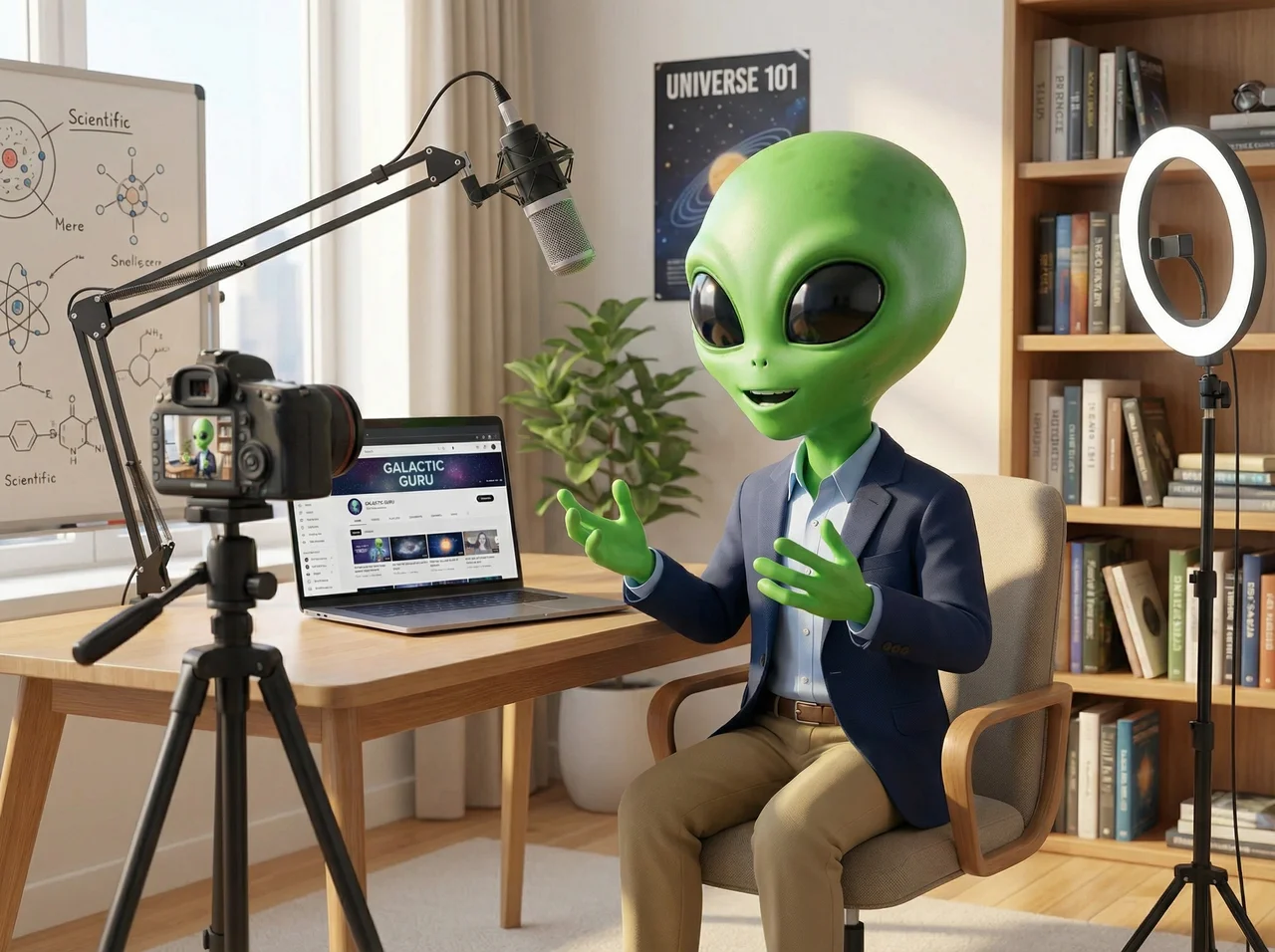
If you're a blogger, YouTuber, educator, or niche creator, there's a good chance you're sitting on thousands of dollars worth of digital products, and giving them all away for free.
This guide will show you exactly how to start charging for your knowledge, what to sell, and how to build a scalable digital product business in 2026, without paying expensive monthly platform fees.
Why Most Creators Are Under-Monetizing
The internet taught creators one golden rule: give it all away for free and monetize later.
And for a while, it worked. Free content built audiences. But the model has a fatal flaw.
You create. You post. You burn out. And at the end of the month, your income still depends on brand deals that fall through, ad revenue that drops, and algorithms that change without warning.
Meanwhile, the platforms you rely on are charging you:
Monthly subscription fees ($29 to $99/month or more)
Transaction fees of 2–5% per sale
Payment processing layers on top of that
Plugin and integration costs just to run a basic store
You're working hard, giving away your best ideas, and splitting whatever's left with platforms that weren't built with creators in mind.
That's the core problem, and it's exactly why 2026 is the year to fix it.
Why 2026 Is the Best Year to Start Selling Digital Products
Three major shifts are making this the right moment to monetize your content.
The creator economy is bigger than ever. More than 200 million creators worldwide are looking for smarter ways to earn. The days of chasing viral reach are fading. The smarter move is to monetize a loyal niche instead of trying to grow an audience of millions.
People buy from people they trust. Today's consumers skip the big marketplaces and buy from the educator they follow on YouTube, the designer whose Substack they read, the photographer whose Instagram they've followed for two years. If you already have an audience that trusts you, you have buyers.
AI has made building easier than ever. What used to require a developer, a designer, and months of work can now be done by one creator in a weekend. The tools exist. The infrastructure is ready. You just need to use it.
What You Should Be Selling in 2026
If you create content regularly, you already have products hidden inside your work. Here's what converts best:
PDFs and guides are the easiest place to start. Think deep-dive playbooks, step-by-step systems, niche frameworks, or "everything I know about X" documents. If you've answered the same question in your DMs more than five times, it's a product.
Templates are high-value and easy to sell. Notion dashboards, Figma files, Canva kits, email sequences, and sales scripts all sell well when packaged cleanly and priced right.
Presets and digital assets work especially well for visual creators. Lightroom presets, LUTs, sound packs, design assets, and AI prompt libraries are all examples of products people will pay for repeatedly.
Mini-courses and workshops are where the real leverage is. A recorded 90-minute masterclass on your niche topic can sell for months or years with zero additional work.
The difference between free content and a paid product isn't effort, it's structure, depth, and a clear outcome for the buyer.
The 6-Step Playbook for Building a Digital Product Business
Step 1: Find Your Product Ideas in Your DMs
Look at the questions you get asked most. Check your comments, your inbox, your FAQ page. Every repeated question is proof of demand. That demand is your product roadmap.
Step 2: Start With a Low-Priced Offer
Don't launch a $999 course on day one. Start with something small and low-risk:
A $19 PDF guide
A $29 template pack
A $49 preset bundle
Low price means low friction. People buy without overthinking it. You validate demand fast, collect testimonials, and build momentum.
Step 3: Build a Clean, Professional Storefront
This is where most creators lose credibility. A Link-tree with a Google Drive link and a Stripe payment page doesn't inspire confidence. It looks like an afterthought.
You need a dedicated digital product storefront, one place where buyers can browse, trust what they see, and check out without friction.
Step 4: Use a Platform That Doesn't Punish You for Selling
This is where platform choice matters. Most commerce tools charge you before you make a single sale. You're paying $49/month whether you sell 0 products or 100.
Sendd takes a different approach. It's a no-subscription commerce platform built specifically for creators and communities. Instead of monthly fees, it charges just 1% per transaction. If you don't sell, you don't pay. That's a meaningful difference when you're just getting started.
Sendd lets you launch a storefront in minutes, upload your product, set a price, and go live. No developers, no complicated integrations, no waiting.
Step 5: Distribute Through Niche Marketplaces
Here's where Sendd goes beyond a basic storefront. Every store on the platform is network-native, which means you can plug into multiple community marketplaces with a single click.
A photographer can have their presets listed in a photography marketplace. A productivity creator can feature their Notion templates in a dedicated productivity store. A design educator can appear in a Figma creators hub.
That's distribution without ad spend, your product shows up where your ideal buyer is already looking.
Step 6: Build a Product Ecosystem, Not Just One Offer
The real money isn't in one product. It's in a compounding product stack:
Month 1: Launch a $29 template. 150 buyers = $4,350. Month 2: Release an advanced $49 bundle. 100 buyers = $4,900. Month 3: Open a $199 cohort. 30 buyers = $5,970.
Three months in, you've crossed $15,000 in revenue, from a 15,000-subscriber YouTube channel, with no brand deals and no algorithm dependence.
The Hidden Cost of Staying Free
Every month you give away your best content for free, you're losing money in ways that aren't always obvious.
You're training your audience to expect everything for nothing. You're paying platform fees that eat into any income you do generate. You're spending hours creating content with no direct return. And you're handing your distribution to algorithms and platforms that don't have your interests in mind.
The creators who win in 2026 aren't the ones who post the most. They're the ones who own their revenue.
The Bigger Play: Build Your Own Niche Marketplace
The smartest creators in 2026 won't just sell their own products. They'll become infrastructure.
If you have a trusted audience in a specific niche, you can:
Curate and feature other creators' products in your own marketplace
Take a commission on every sale
Build a community hub that earns while you sleep
Sendd supports this model natively. You can run your own storefront and launch a marketplace that features complementary creators. Instead of being a content account, you become a network.
How to Get Started This Week
You don't need a big launch. You don't need to quit your job or build a complicated funnel. You need to do three things:
Pick one piece of content you've already made, a guide, a template, a system, and package it properly.
Set up a clean storefront on a platform like Sendd that doesn't charge you monthly fees upfront.
Tell your audience it exists.
That's it. Validation first. Scale later.
Final Thoughts
Free content builds your audience. Paid products build your freedom.
If you're already creating valuable content, you are already halfway there. The work is done. You just haven't put a price on it yet.
The infrastructure now exists to launch a digital product business quickly, professionally, and without giving a large cut to platforms that don't have your best interests in mind.
In 2026, the creators who thrive won't be the ones who posted the most. They'll be the ones who built something they own.
It's time to start charging for what you know.
Ready to launch your first digital product? Explore how Sendd helps creators build storefronts and plug into niche marketplaces with no monthly fees and just 1% per transaction.
You might also like